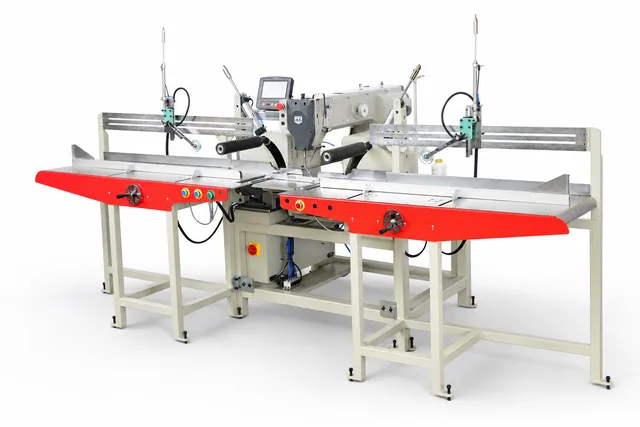
 GL-WX-300R
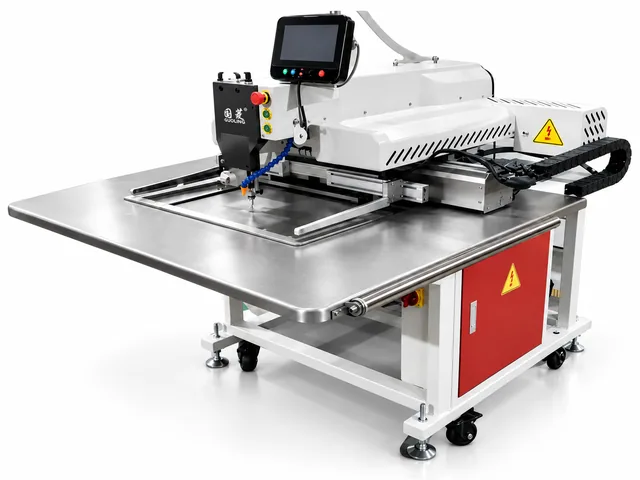 GL-3020R-12
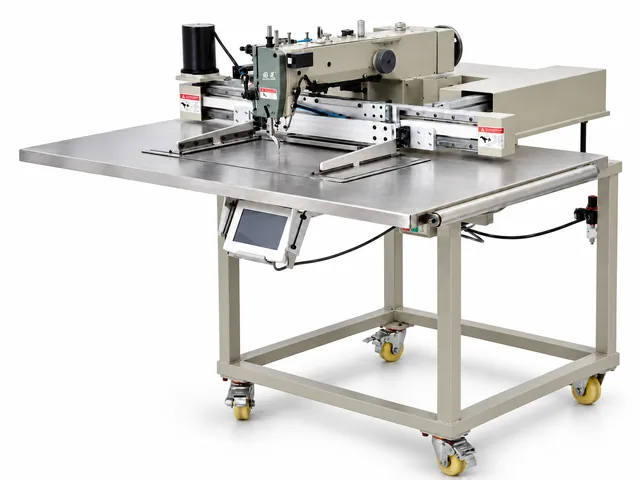 GL-5030T
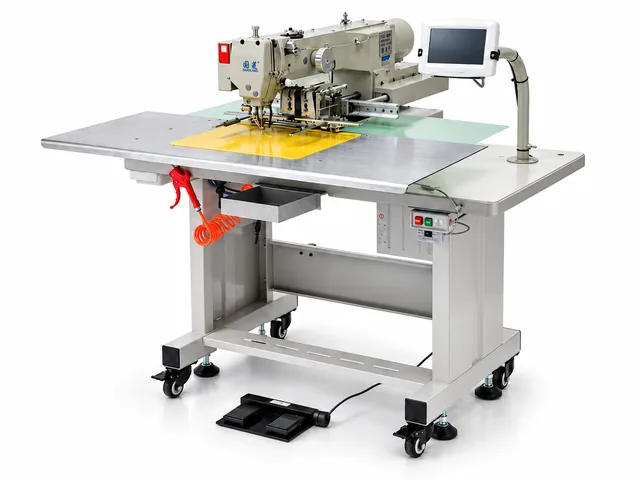 GL-G2516R
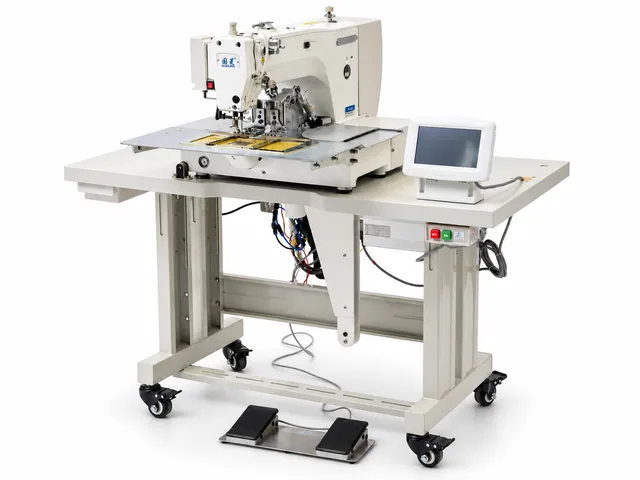 GL-326G
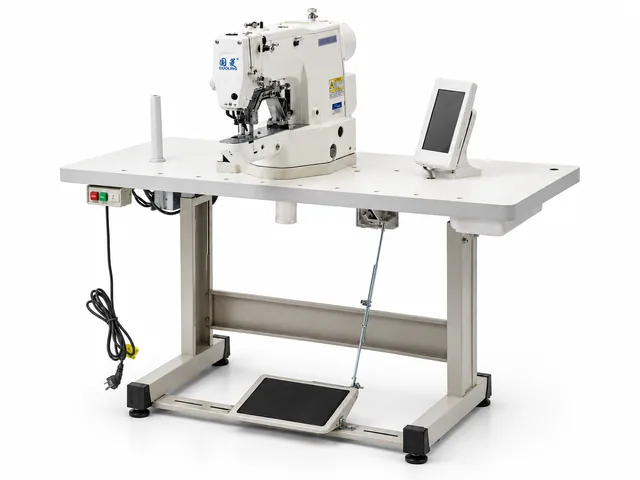 GL-430D
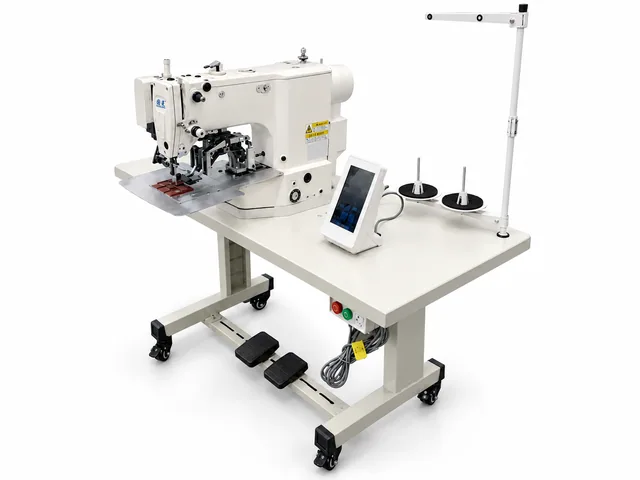 GL-436G (6×6)
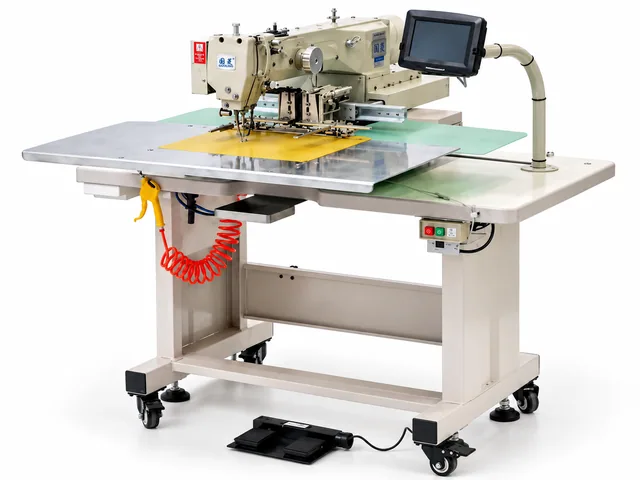 GL-G2516R
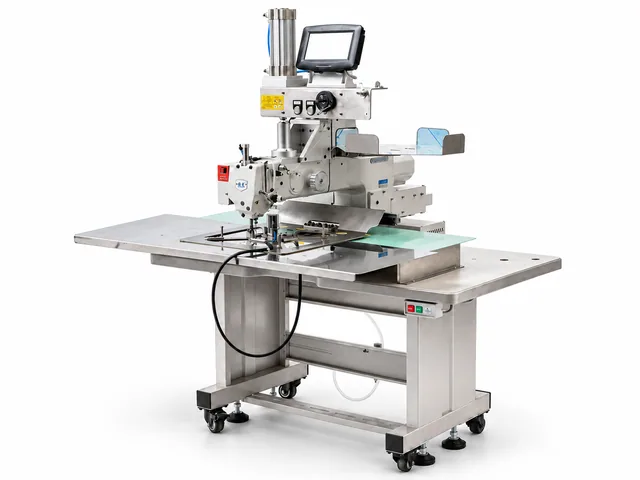 GL-3020RS
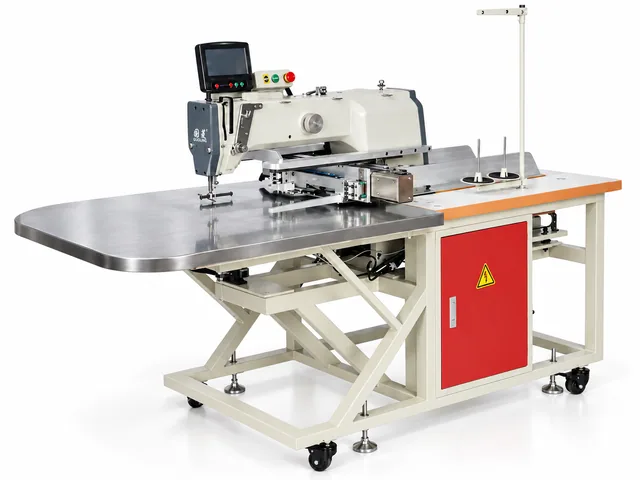 G4050R
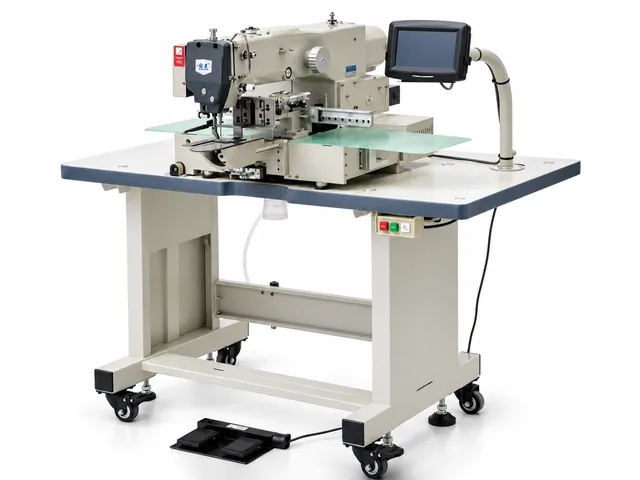 GL-G2516XT
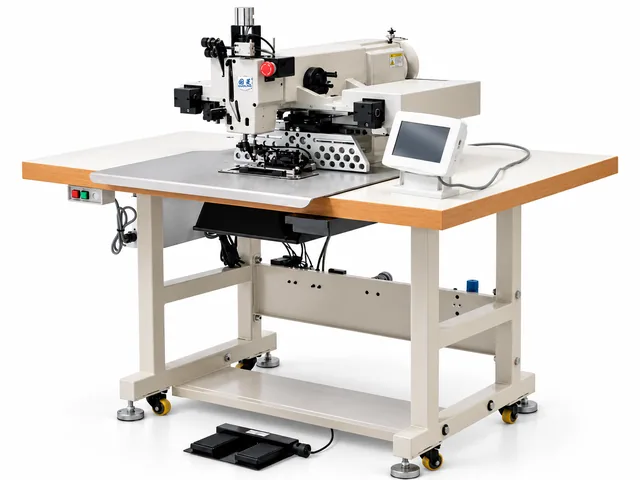 GL-3020T
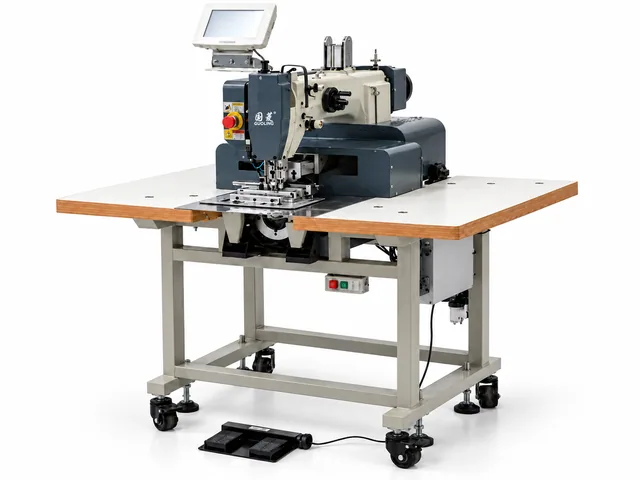 GL-8820T
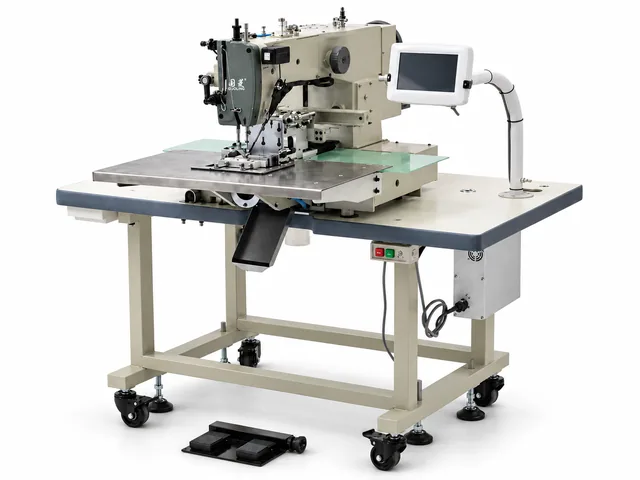 GL-2510T
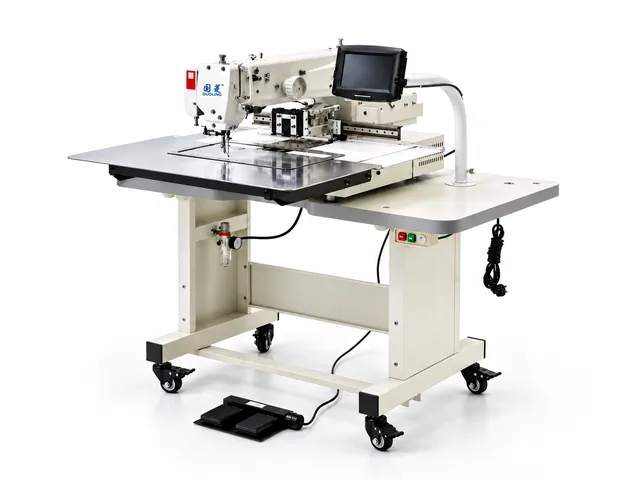 GL-G2516R
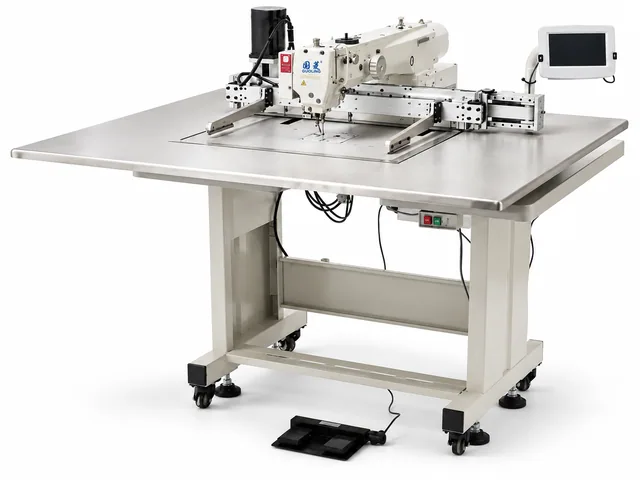 GL-G6040R
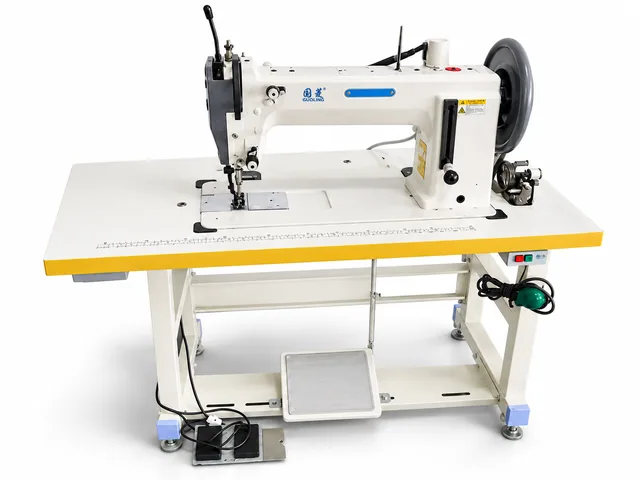 GL-9800
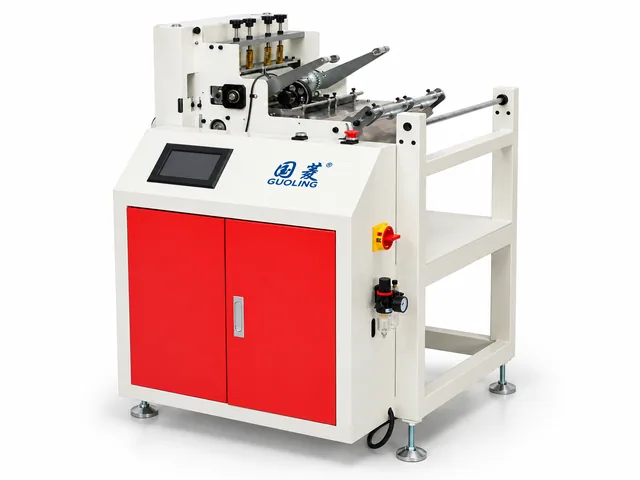 GL-400MM
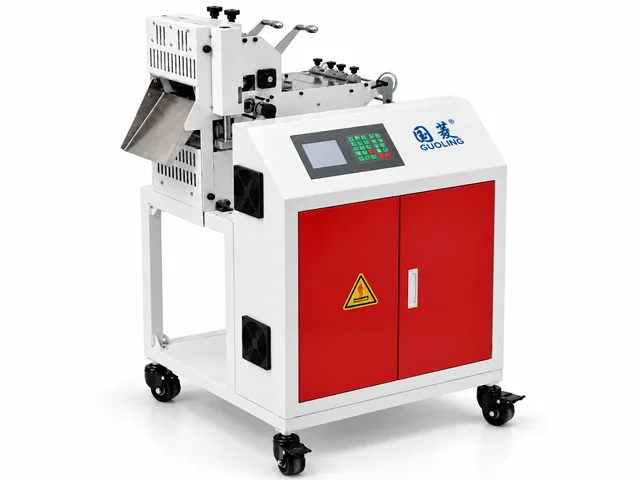 GL-210MM
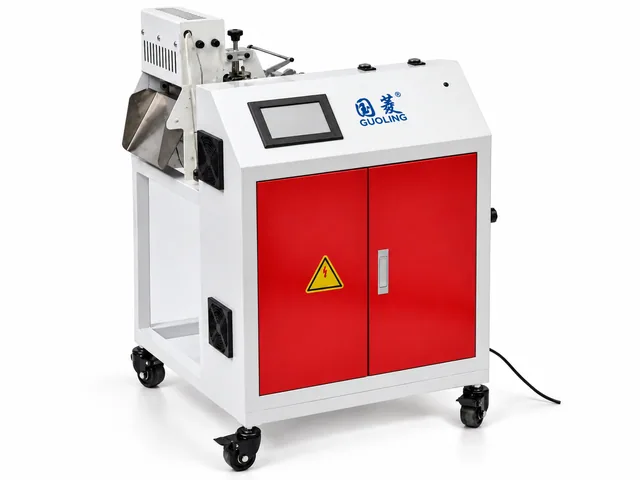 GL-160MM
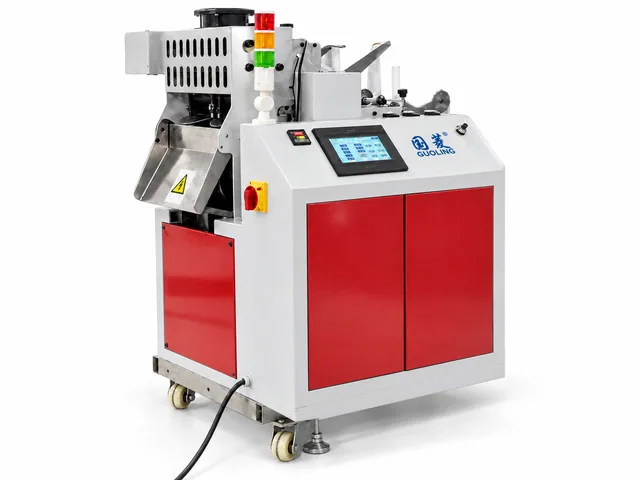 GL-100MM-2X
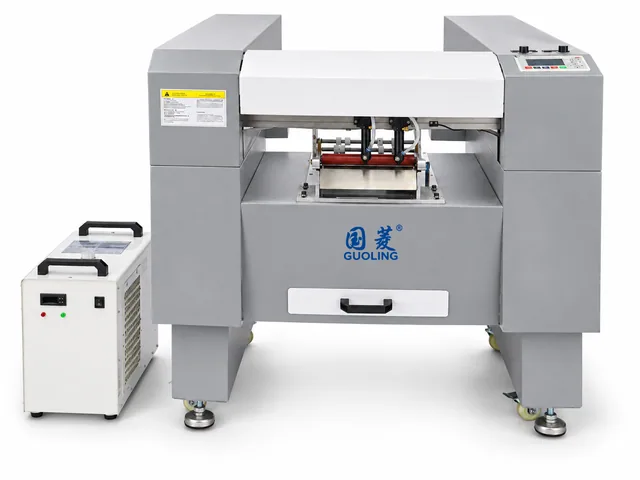 GL-260JG-2
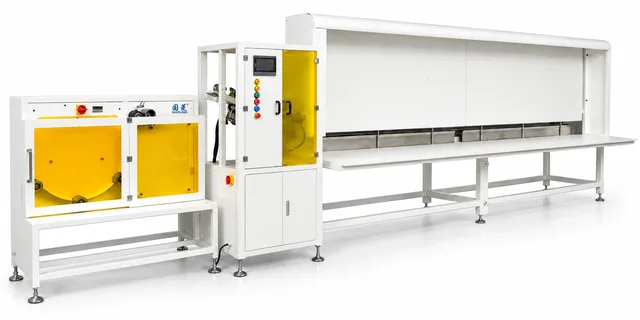 GL-75AQD
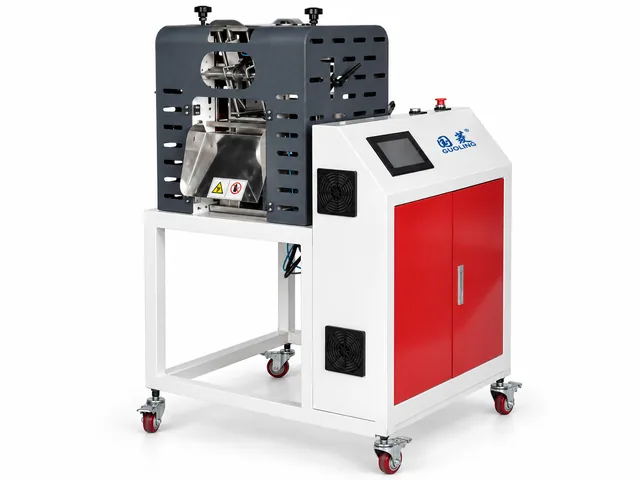 GL-160MM
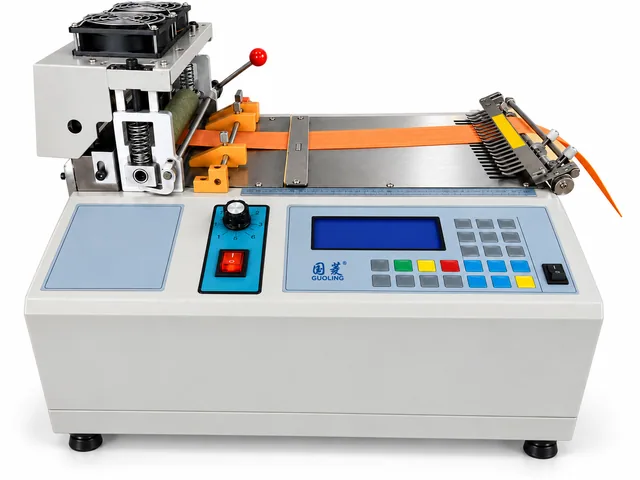 GL-160MM
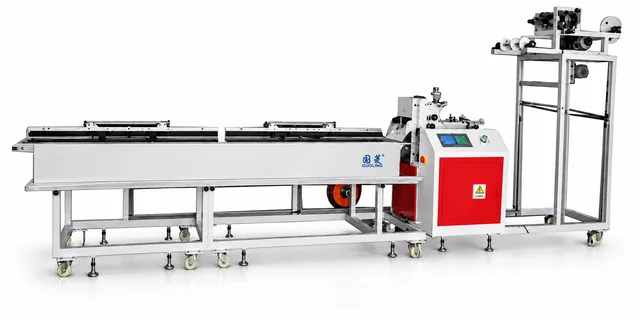 GL-210QTL
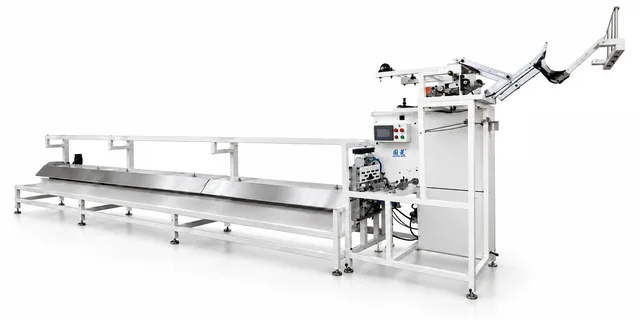 GL-210LL
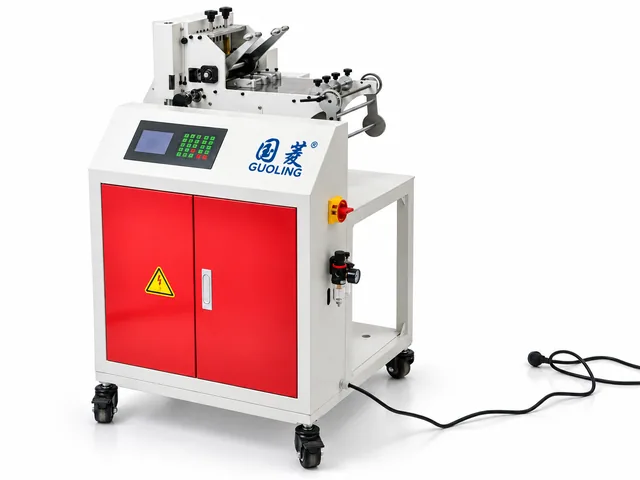 GL-210QL
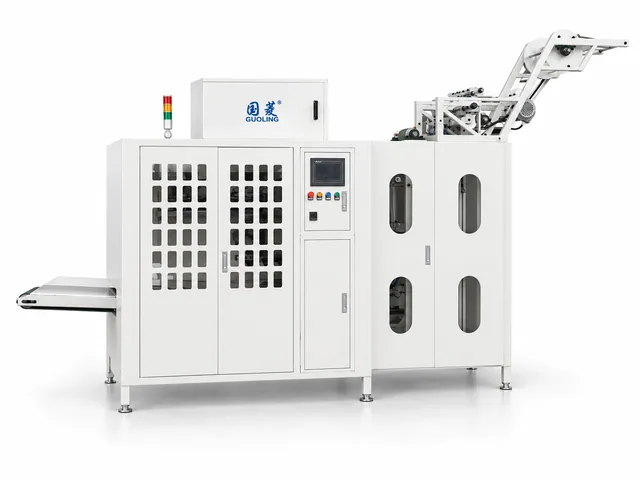 GL-160MM-LS
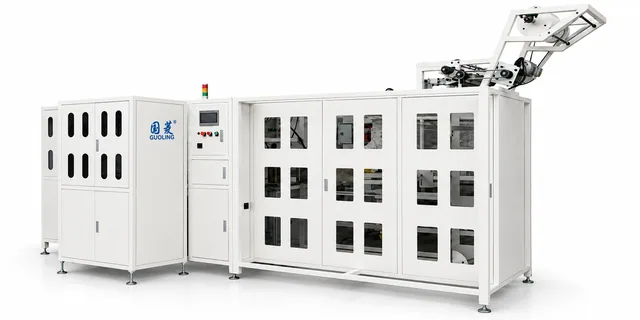 GL-160MM-1JT
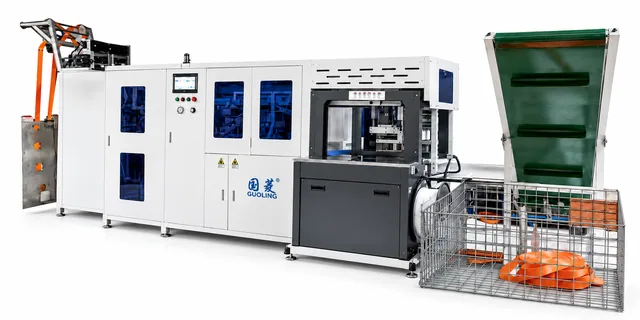 GL-160MM-4JT
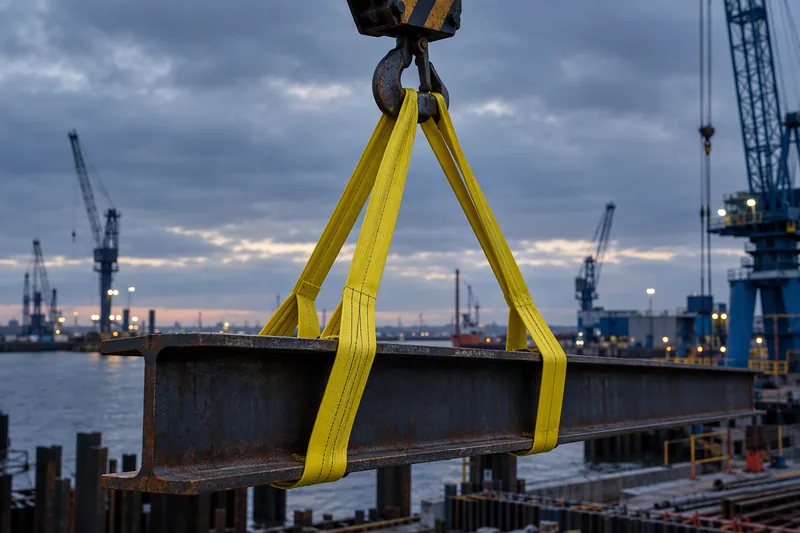 Lifting Slings & Rigging
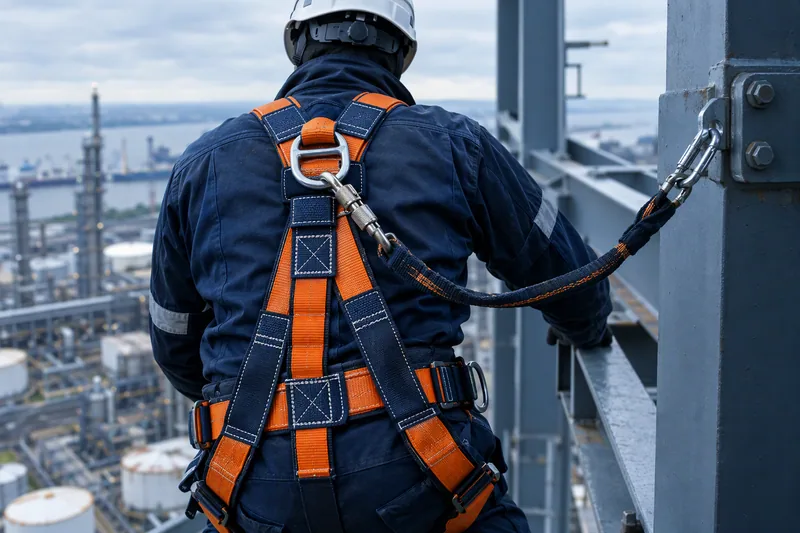 Safety & Fall Protection
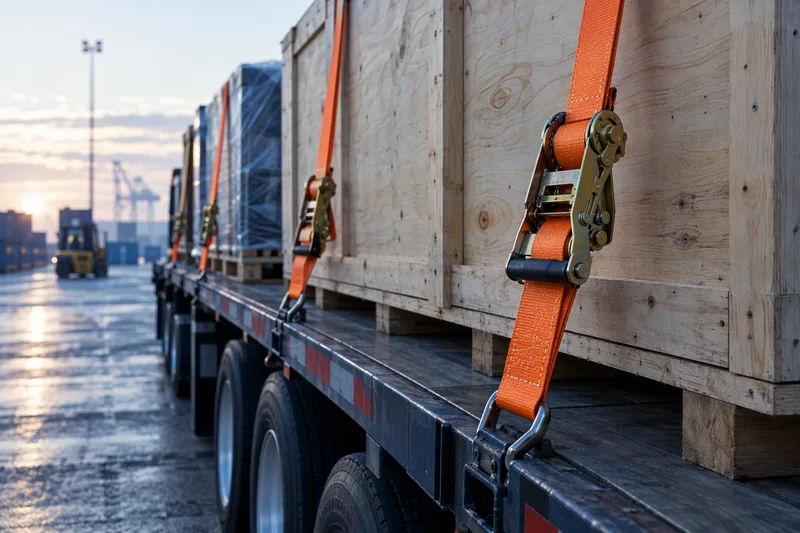 Cargo Securing & Towing
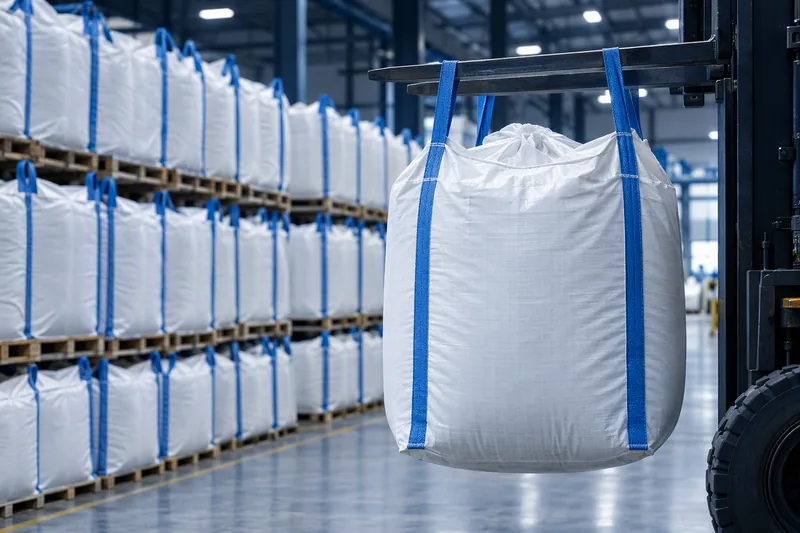 FIBC & Bulk Bags
 Rope, Outdoor & Pet Gear
 Automotive & Aviation
 Bags, Leather & Footwear
 Insulation & Technical Textiles
 Special & Custom Heavy Fabrics
 Technical Support
 Spare Parts
 Downloads
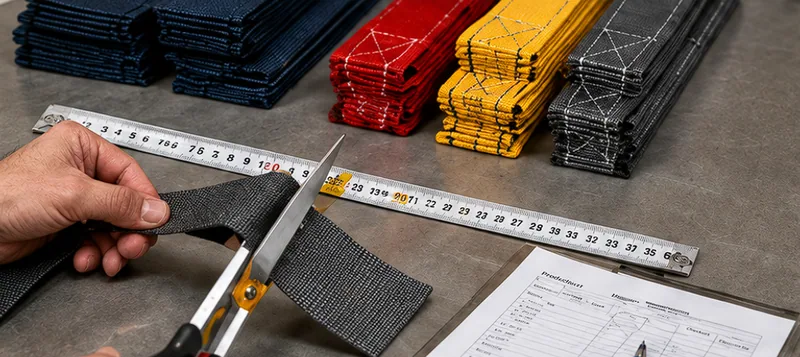 Sample Testing
Choosing a Sewing Machine for Slings and FIBC: Questions to Ask First
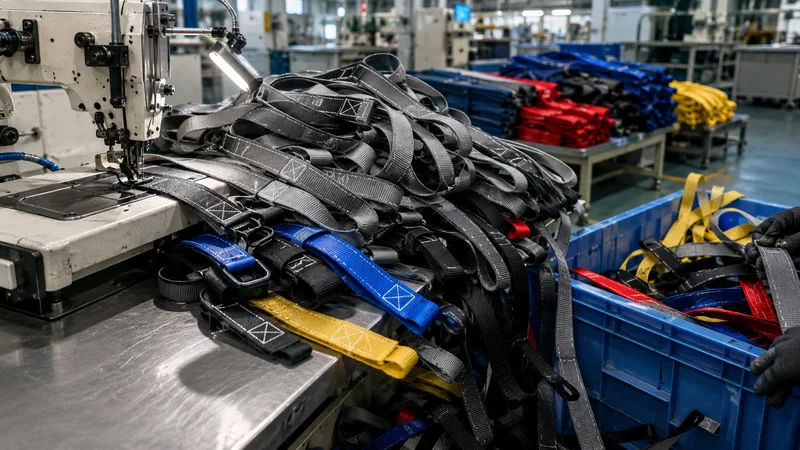
Sling quality decides safety and reputation. Before choosing a machine, work out monthly output, capacity range, webbing size and how much automation you need.
Whether you make flat slings, endless round slings or FIBC lifting loops, the sewing machine is one of the biggest decisions when scaling or starting local production. Many factories only find out after buying semi-automatic equipment that it cannot keep up on quality, volume or labour cost.
Start with your production needs
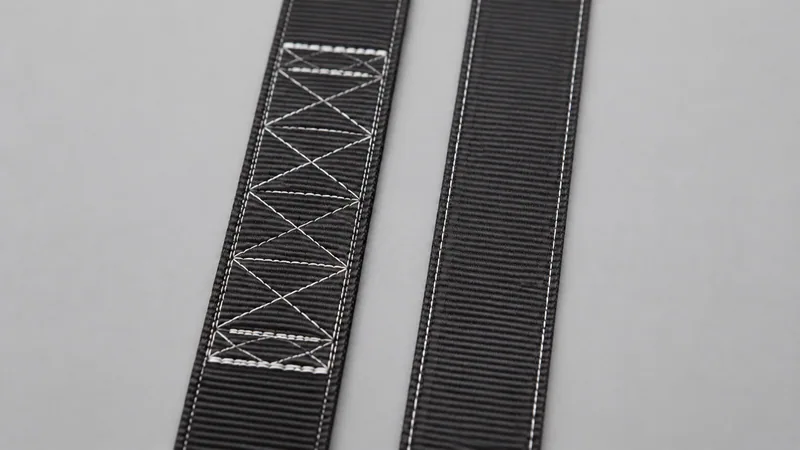
What is your target monthly output? Which sling types and capacities, typically 1–12 tonnes at a 7:1 or 5:1 safety factor? Which webbing widths and thicknesses do you use most, commonly 50–300 mm? Do you sew reinforced eyes, endless loops or both? Should one operator run several machines?
Then look at sewing area and length
A standard pattern sewer has a fixed area, for example 300×200 mm. An endless-sling machine sews continuously along the whole sling, with the head travelling while the table stays still, which suits long and wide slings.
Finally, check thickness and penetration
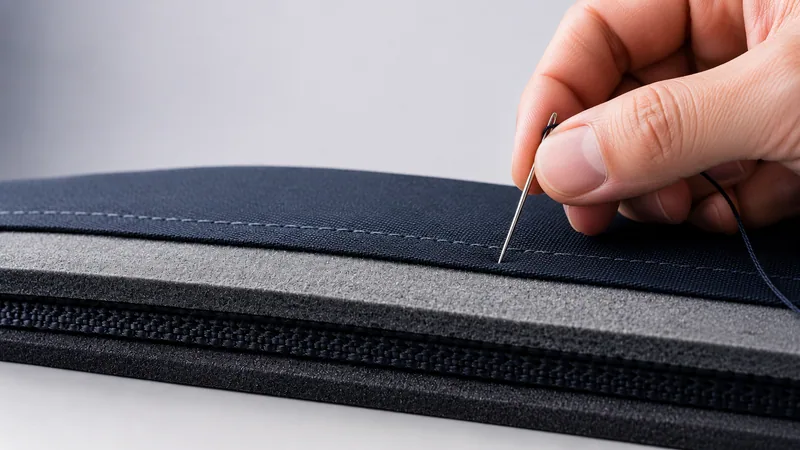
Multi-layer high-strength webbing demands a rigid head, a large hook and heavy-thread capability. The safest approach is a test sew on your real material before confirming the configuration.