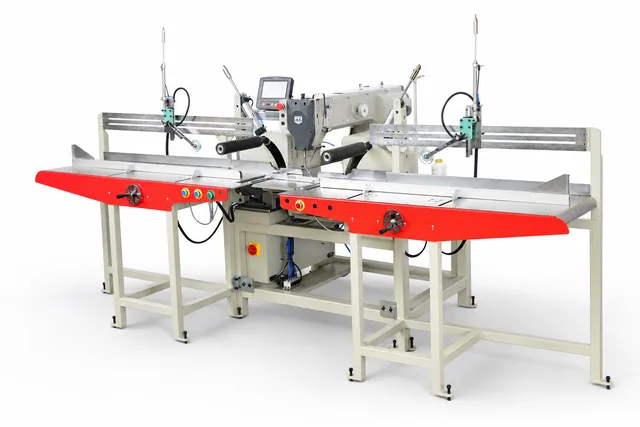
 GL-WX-300R
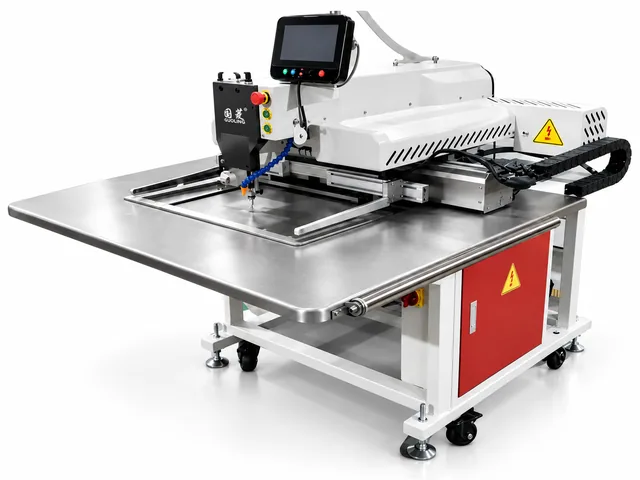 GL-3020R-12
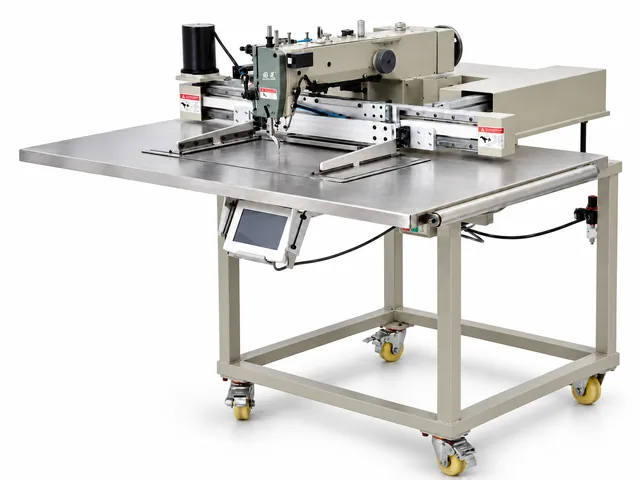 GL-5030T
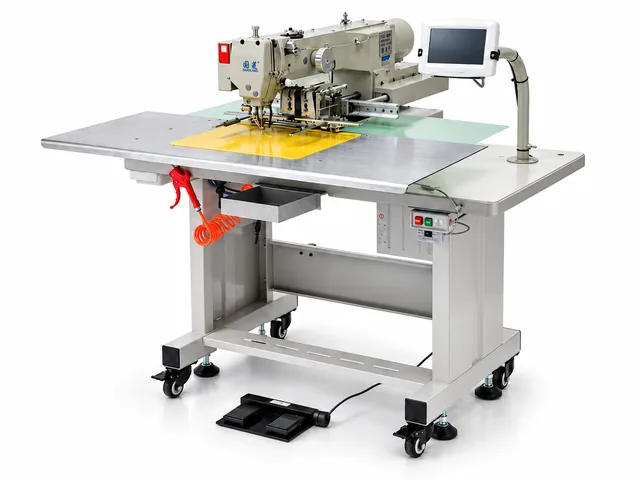 GL-G2516R
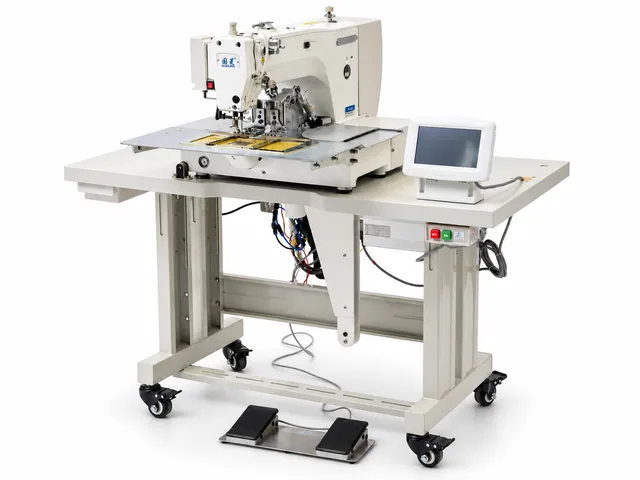 GL-326G
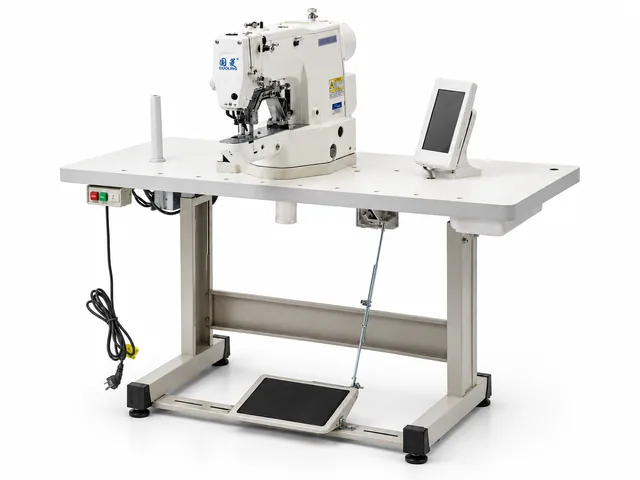 GL-430D
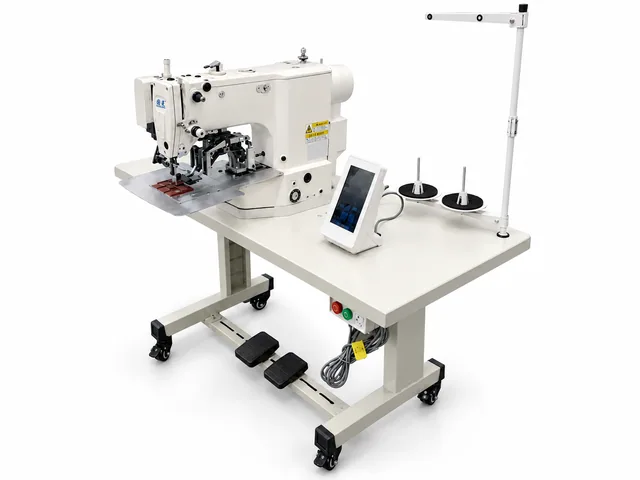 GL-436G (6×6)
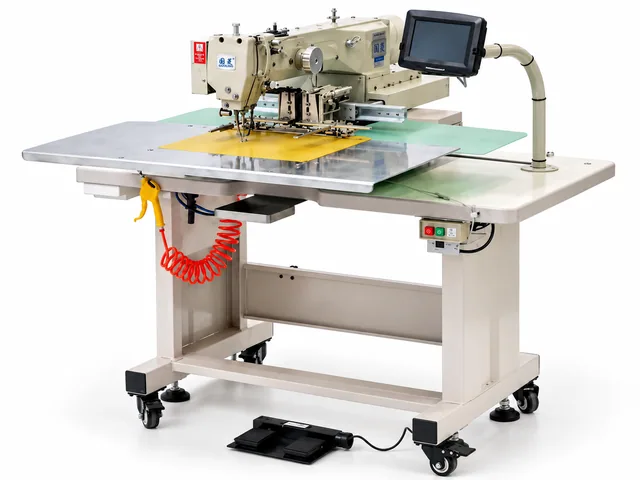 GL-G2516R
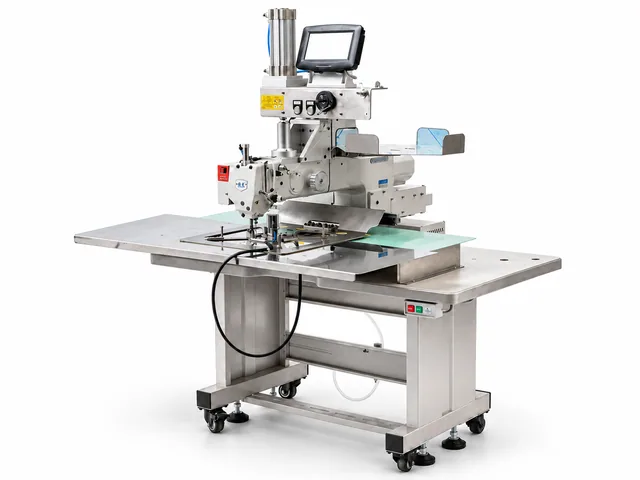 GL-3020RS
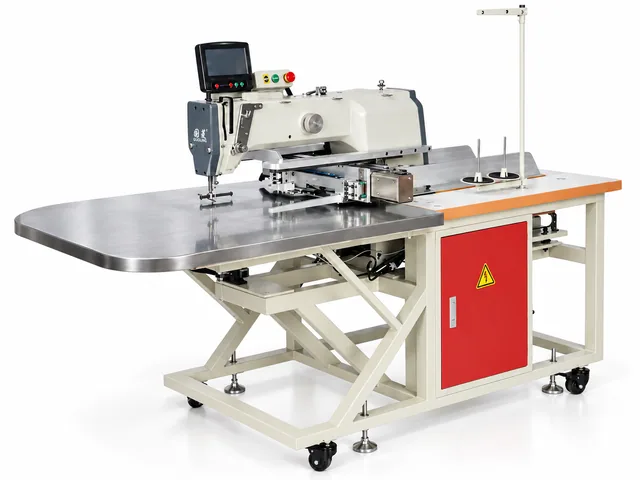 G4050R
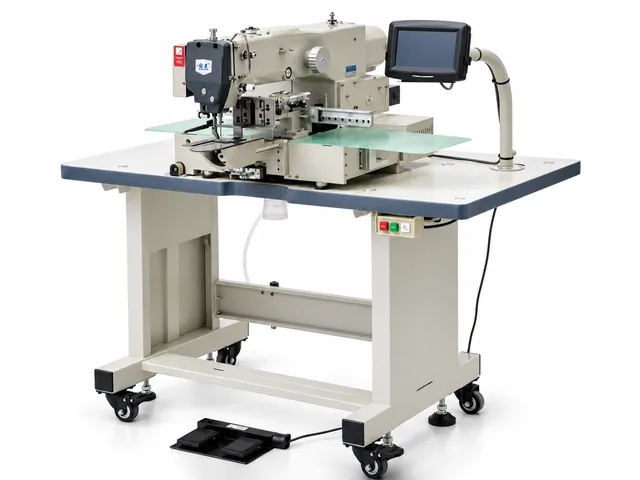 GL-G2516XT
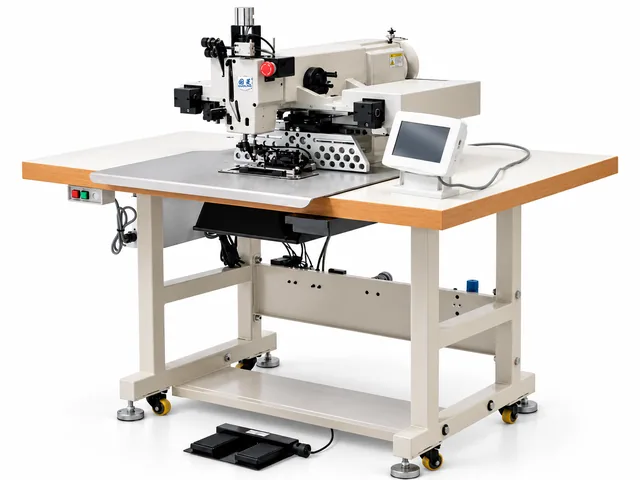 GL-3020T
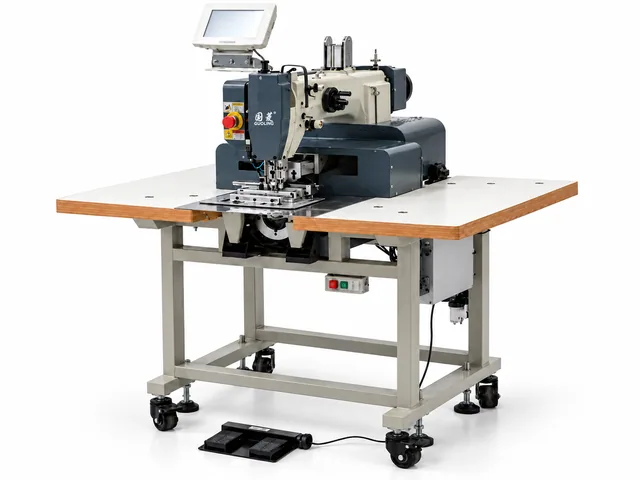 GL-8820T
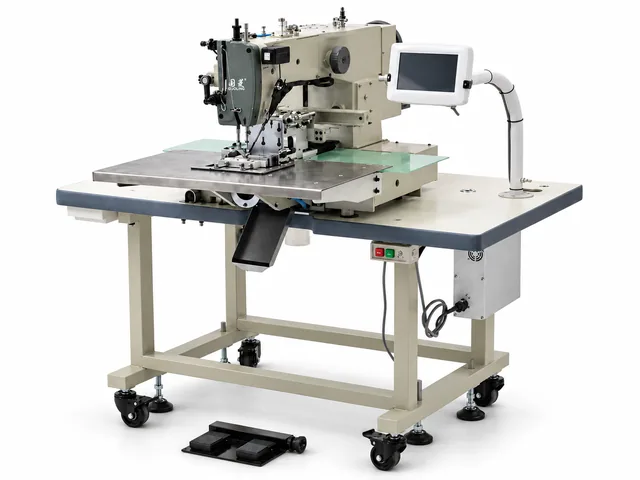 GL-2510T
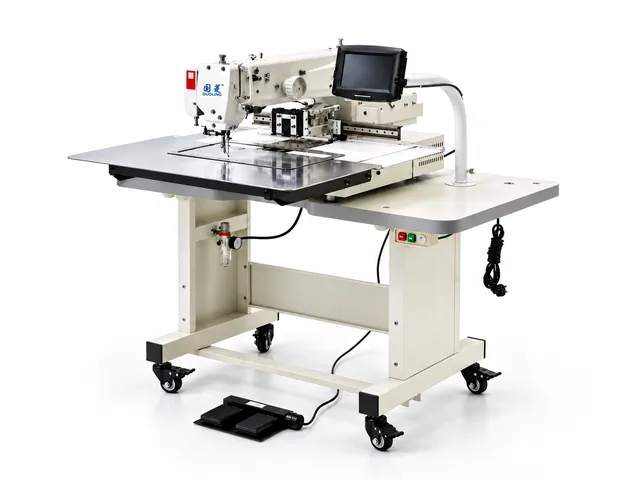 GL-G2516R
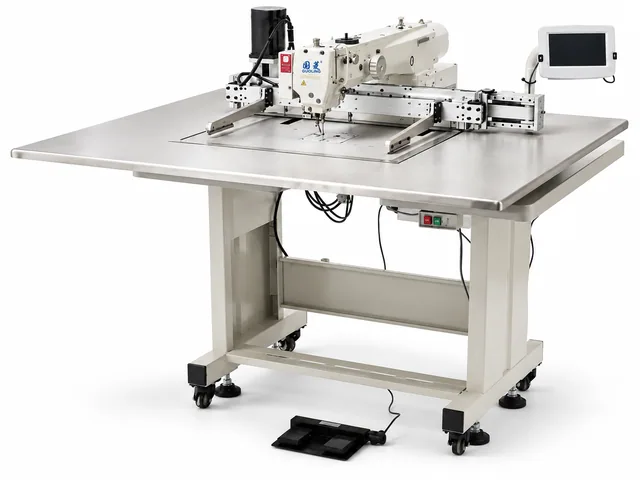 GL-G6040R
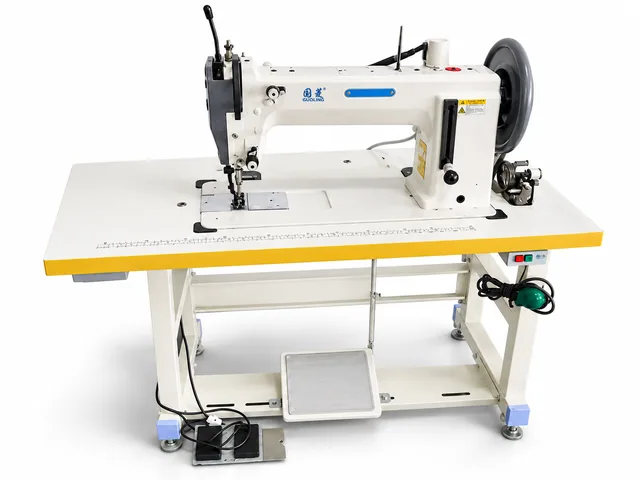 GL-9800
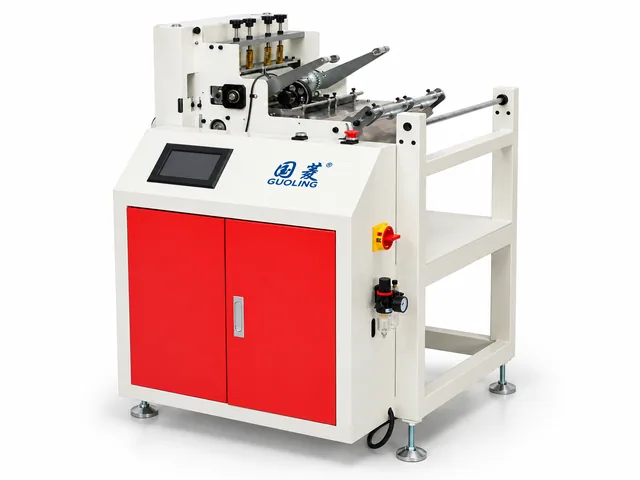 GL-400MM
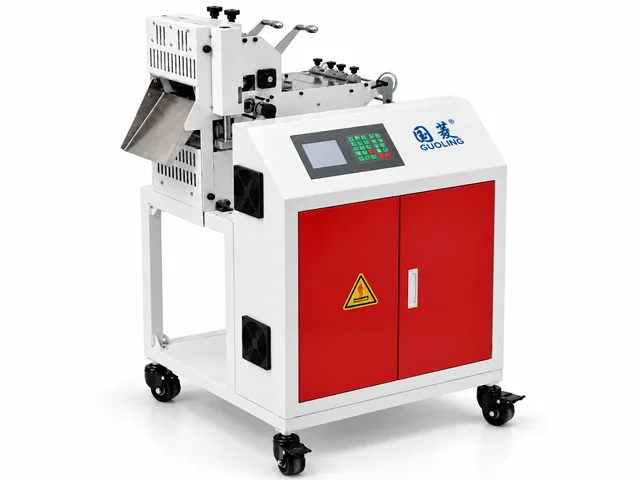 GL-210MM
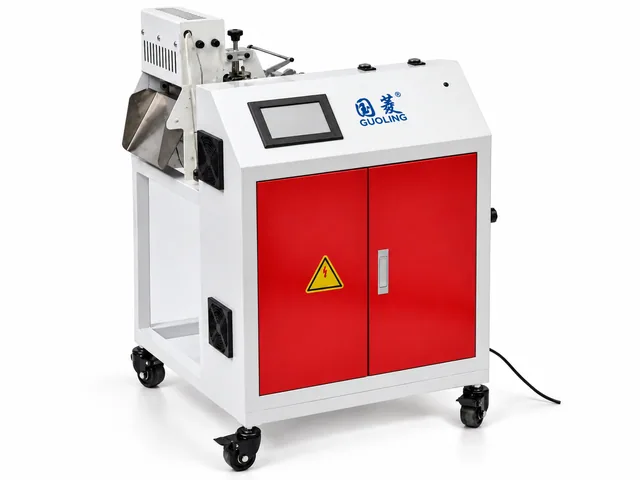 GL-160MM
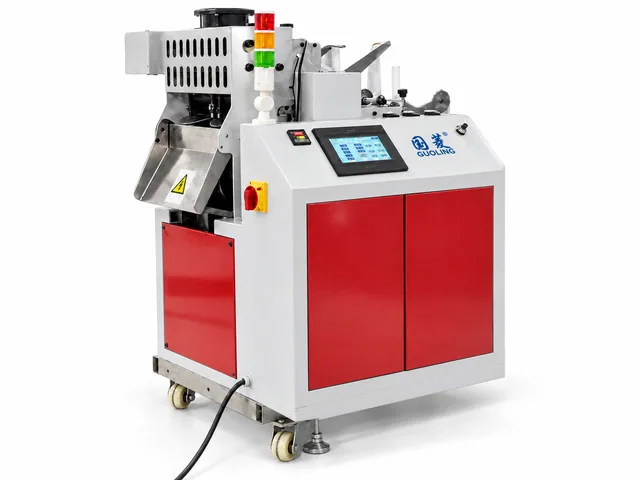 GL-100MM-2X
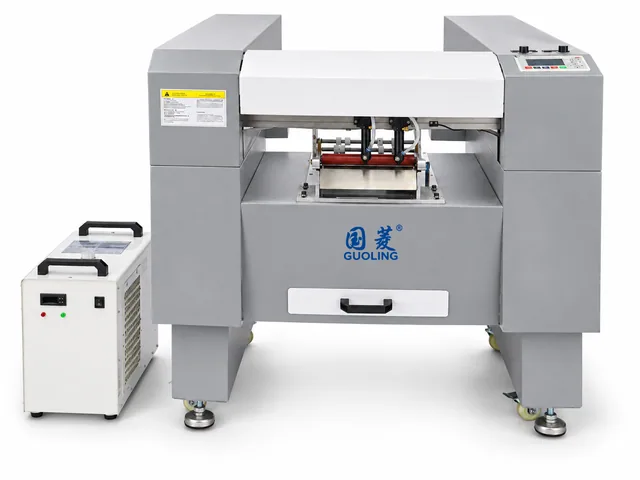 GL-260JG-2
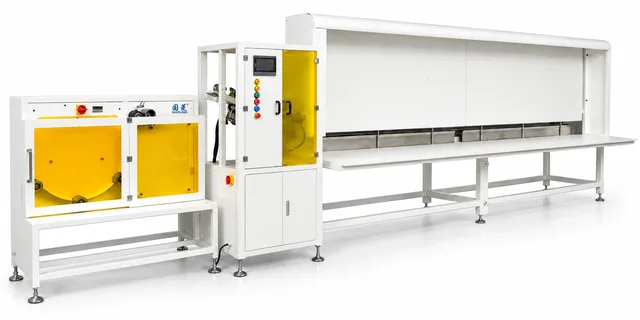 GL-75AQD
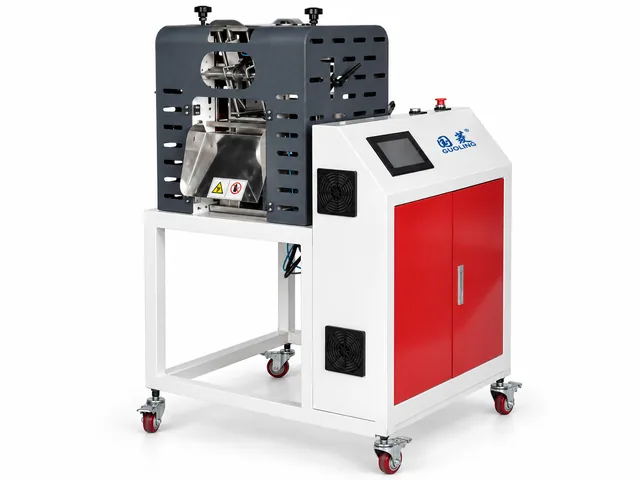 GL-160MM
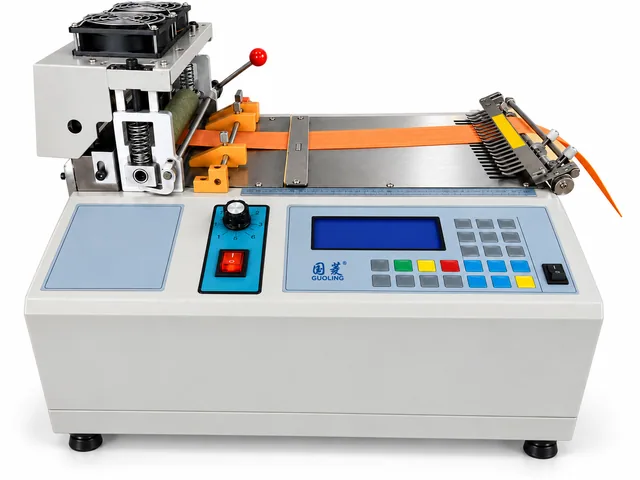 GL-160MM
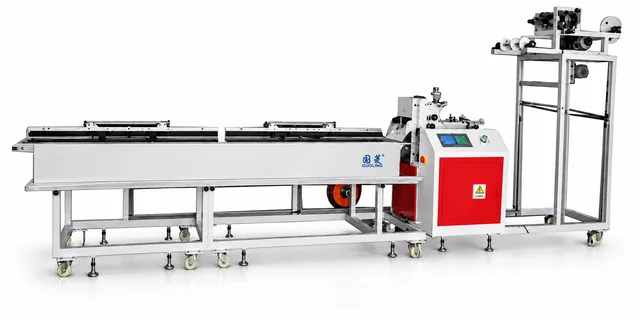 GL-210QTL
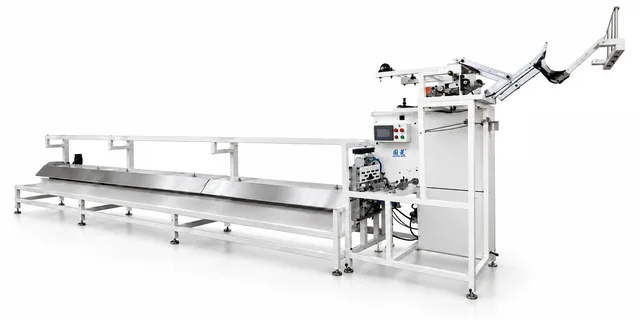 GL-210LL
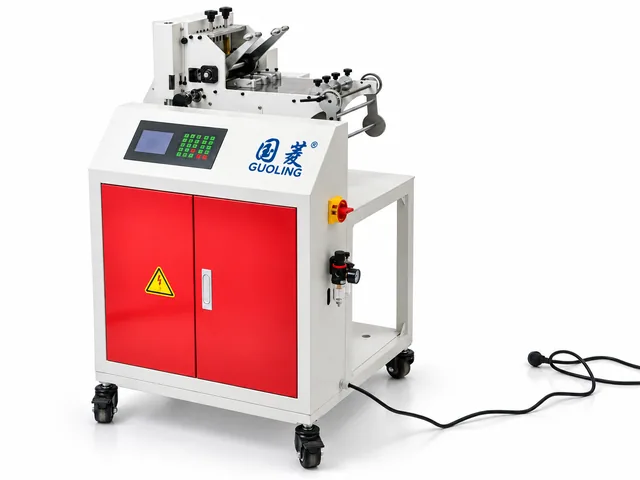 GL-210QL
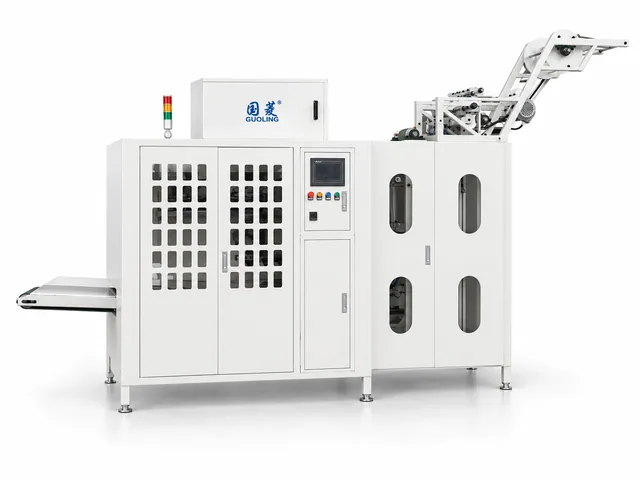 GL-160MM-LS
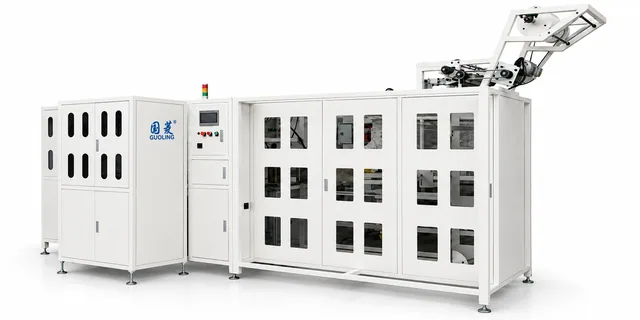 GL-160MM-1JT
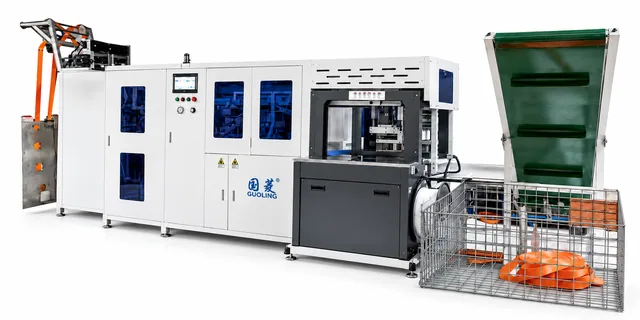 GL-160MM-4JT
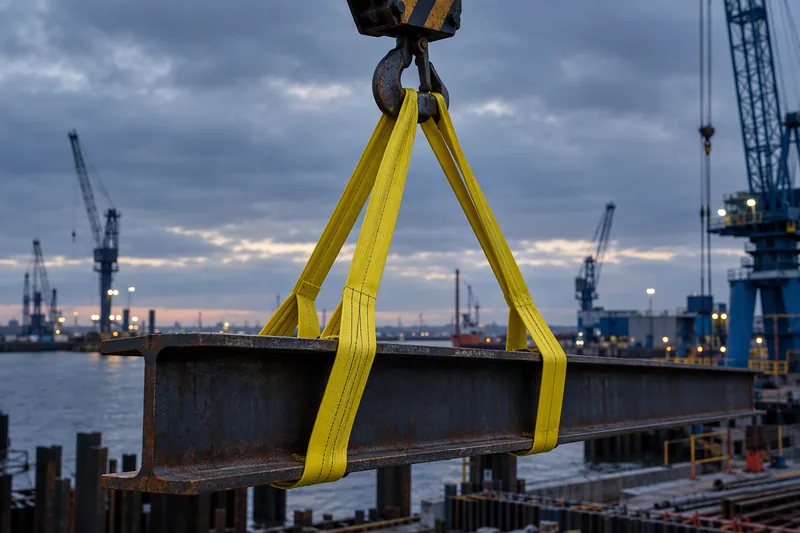 Lifting Slings & Rigging
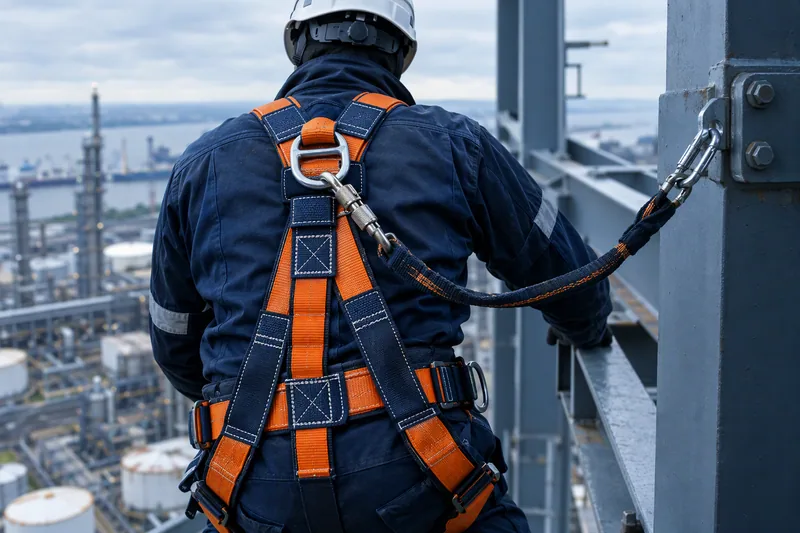 Safety & Fall Protection
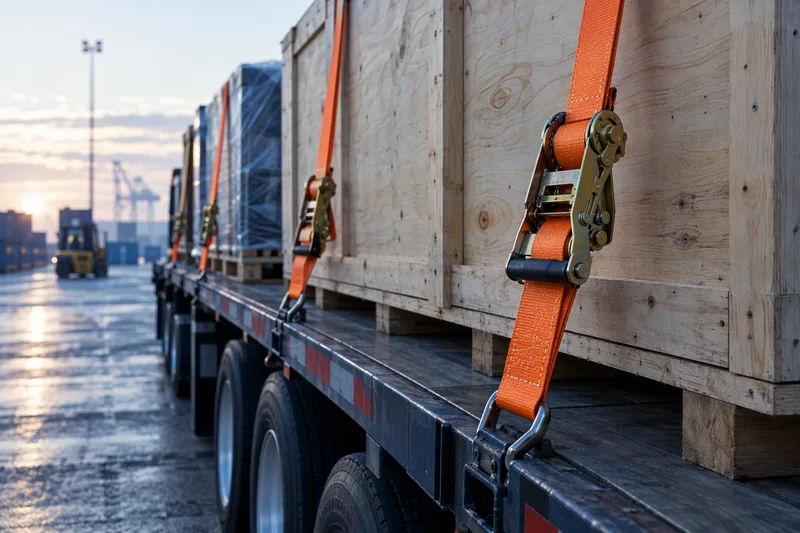 Cargo Securing & Towing
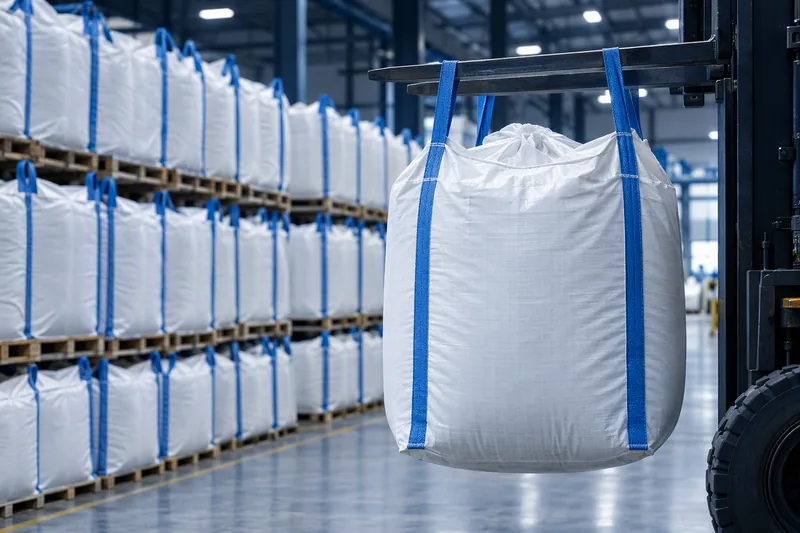 FIBC & Bulk Bags
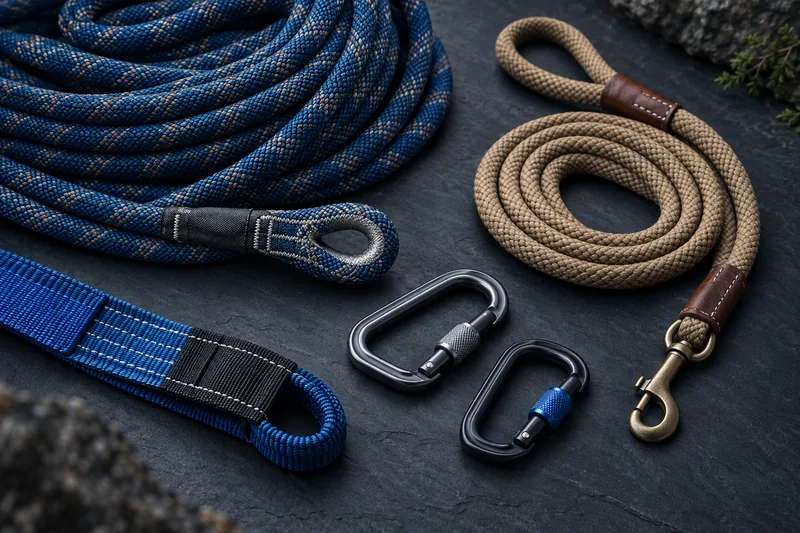 Rope, Outdoor & Pet Gear
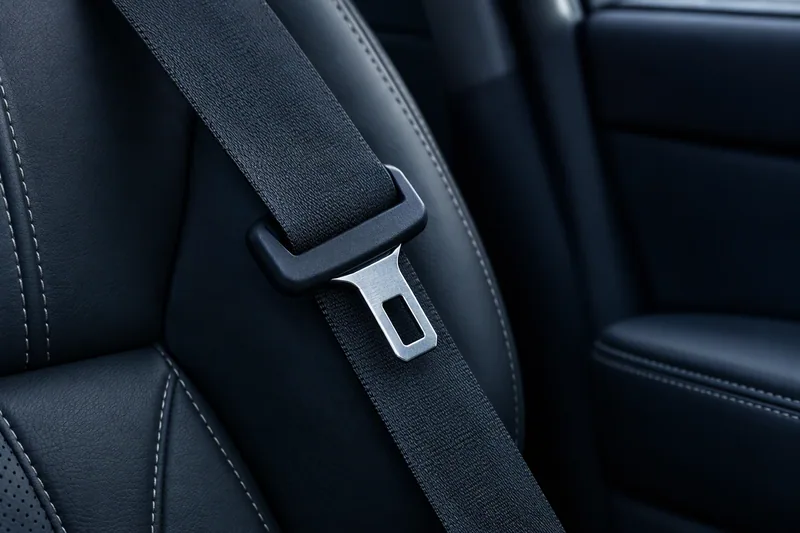 Automotive & Aviation
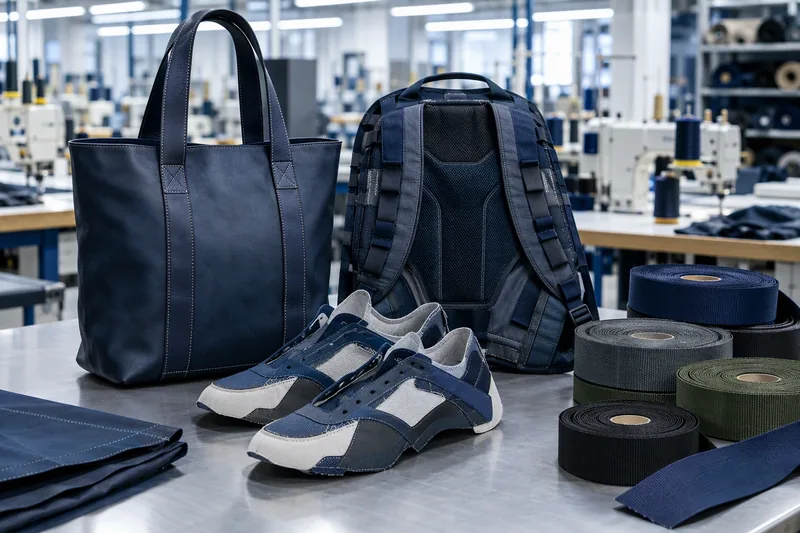 Bags, Leather & Footwear
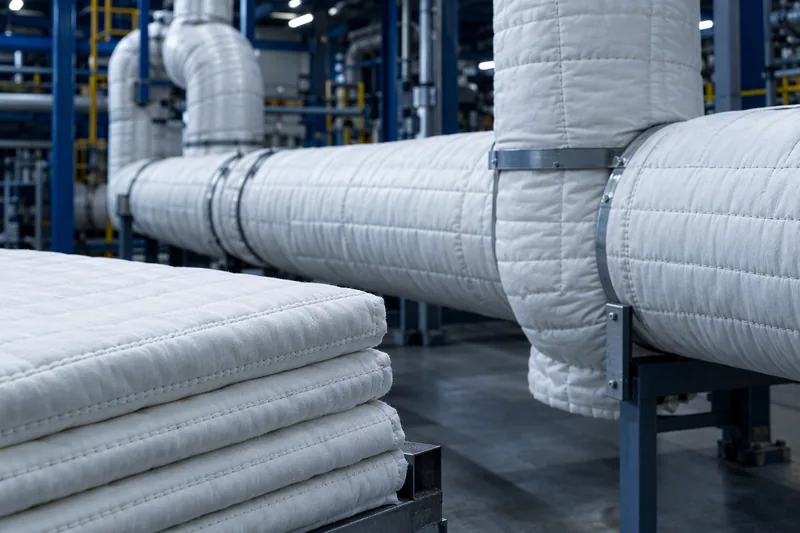 Insulation & Technical Textiles
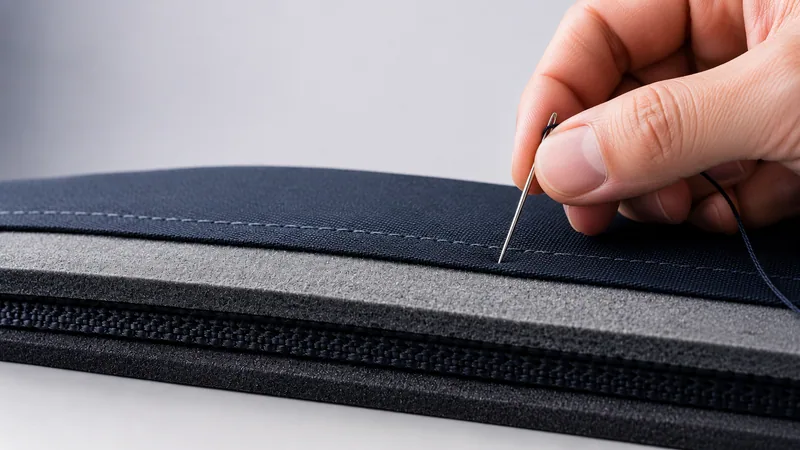 Special & Custom Heavy Fabrics
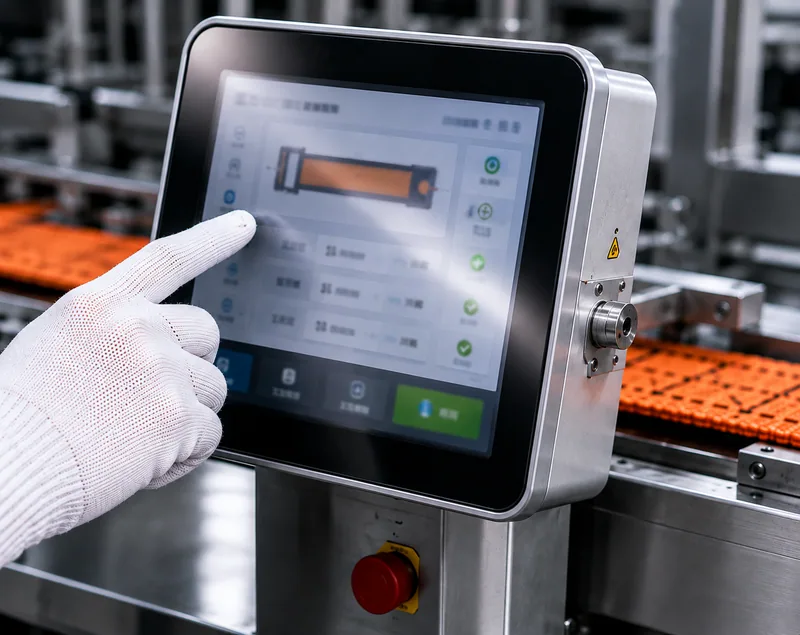 Technical Support
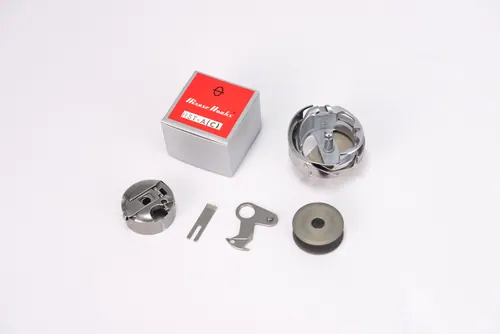 Spare Parts
 Downloads
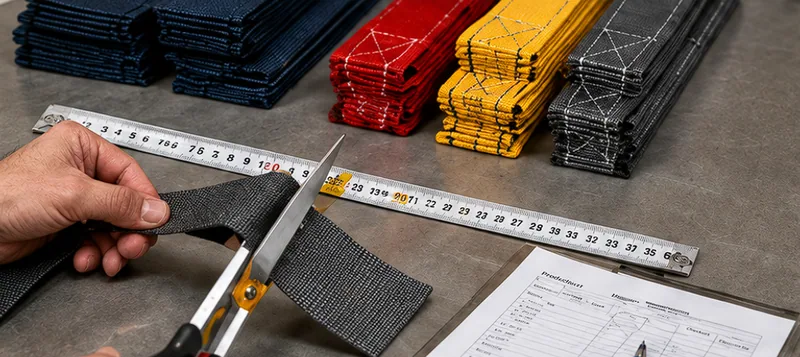 Sample Testing
Hot, Cold or Laser? Choosing a Cut by Product Structure
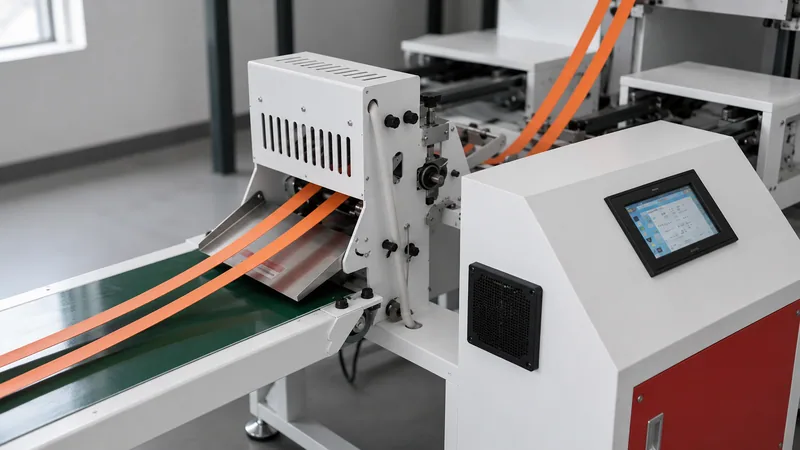
Straight, angled, tubular, contoured or perforated: different products need different cuts. Matching process to structure reduces secondary trimming.
Hot cutting
The mainstream method for synthetic webbing, sealing the edge to reduce fraying. Blade temperature, dwell time and strap thickness must be matched.
Cold cutting
Suited to materials that should not be heated or that must keep their original edge, such as some zippers, tubing and ribbon cable.
Laser
Suited to contours, perforations, hollowing and engraving, with contact-free processing and automatic nesting.